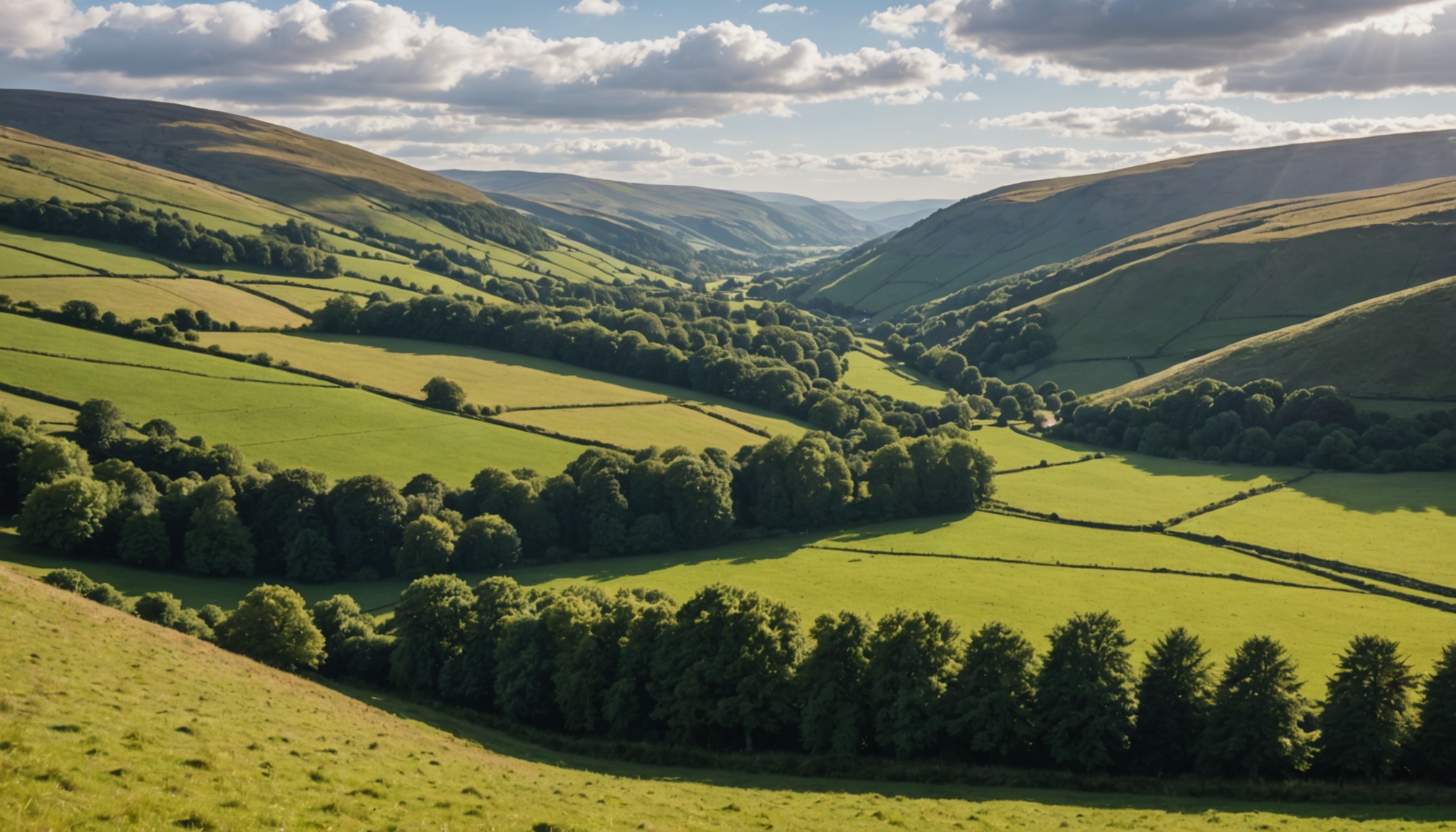
Britain is, by the standards of highly developed nations, a remarkably green country. A quarter of England is designated as national park or area of outstanding natural beauty. Scotland has three times more land than people, much of it in near-wilderness condition. Wales has more ancient woodland per capita than most of Europe. The Peak District was the first national park to be established in the UK — largely because of a political struggle for public access to open land — and the right to roam enshrined in the Countryside and Rights of Way Act 2000 gives people in England and Wales legal access to substantial areas of upland, coastal and open country.
And yet research consistently finds that a significant proportion of the UK population maintains very limited connection with the natural world. The majority of Britons live in urban areas, and the gap between the green of the political map and the daily lived experience of most people is substantial. Understanding this gap — and what helps to bridge it — has become both a public health question and a conservation question, since people who feel connected to nature are substantially more likely to act to protect it.
Nature and Mental Health: The British Evidence
The evidence on the mental health benefits of spending time in natural environments has been accumulating for two decades. Spending time outdoors — particularly in green or blue (water) environments — is associated with reduced cortisol levels, lower rates of anxiety and depression, improved attention and better self-reported wellbeing. The NHS has formally endorsed social prescribing of nature-based activities, and green prescriptions (recommendations for outdoor activity as part of treatment for depression and anxiety) are now being piloted across GP surgeries in England and Scotland.
What Stops People Connecting with Nature in Britain
Britain's access to nature is not equally distributed. Residents of deprived urban neighbourhoods — which are also more likely to have high ethnic minority populations — are significantly less likely to have green space within easy walking distance than residents of affluent areas. The experience of natural space as welcoming and accessible is shaped by cultural context, and the British countryside has historically been coded as a space for a particular demographic — white, middle-class, outdoor-gear-wearing — that doesn't map onto the full diversity of the UK population.
The 30-minute rule: Research finds that as little as 30 minutes in natural environments per week produces measurable improvements in wellbeing and stress indicators. This is a very modest threshold — one that most people in Britain could meet if they chose to, even in urban areas — yet many don't. The barrier is rarely physical access; it's habit, perception and the competing pull of indoor digital environments.
British Wildlife: Who Notices
Britain has a strong tradition of amateur naturalism — birdwatching, wildflower recording, butterfly surveys, moth trapping — that is both culturally distinctive and scientifically significant. The RSPB, the Wildlife Trusts, and Butterfly Conservation all have substantial volunteer networks that contribute meaningfully to conservation science through citizen monitoring. This tradition has broadened significantly with the introduction of digital recording tools that allow casual observations to feed into national databases, lowering the barrier to participation.
Finding Your Entry Point
The research on building nature connection suggests that the entry point matters less than the consistency of engagement. Walking the same route regularly and paying attention to what changes with the seasons, installing a bird feeder and learning to identify what visits it, growing any kind of plant from seed — these modest engagements have been shown to shift people's sense of connection to the natural world meaningfully over time. The goal isn't to become a serious naturalist. It's to develop enough familiarity with the non-human world around you that it registers as present and interesting.